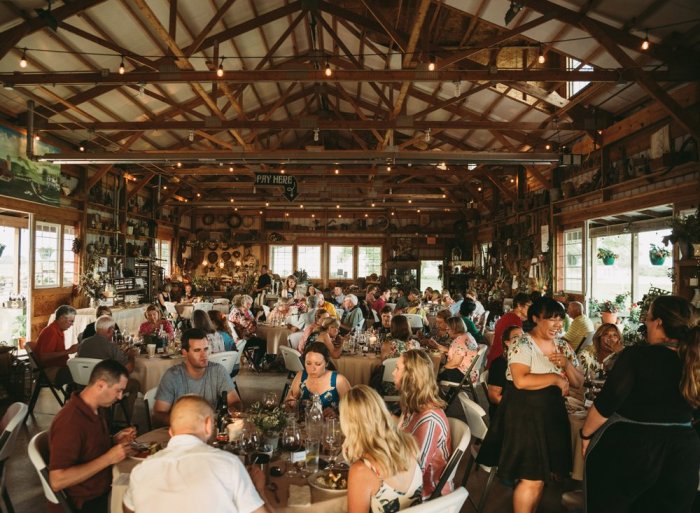
Embark on a culinary adventure with Farm-to-table culinary tours, where the freshest ingredients and immersive experiences await. Discover the essence of sustainable dining intertwined with cultural exploration.
Learn how these tours offer more than just a meal, but a deep connection to the land and the people who cultivate it.
Introduction to Farm-to-table Culinary Tours
Farm-to-table culinary tours offer a unique experience for food enthusiasts to explore the journey of food from the farm to the table. Participants get to visit local farms, interact with farmers, and enjoy freshly prepared meals using ingredients sourced directly from the farm.
Concept of Farm-to-table Dining
Farm-to-table dining emphasizes the use of fresh, seasonal, and locally sourced ingredients in preparing meals. This concept promotes sustainability, supports local farmers, and ensures a direct connection between consumers and the food they eat.
Popularity and Growth of Culinary Tourism
Culinary tourism has gained popularity in recent years as more people seek authentic food experiences during their travels. Farm-to-table culinary tours have become a popular choice for those looking to immerse themselves in the local food culture and learn about the origins of their meals.
Benefits of Farm-to-table Culinary Tours
Farm-to-table culinary tours offer a unique and enriching experience for food enthusiasts, providing several key benefits that go beyond just enjoying delicious meals. These tours allow participants to connect with the source of their food, understand the importance of sustainable practices, and support local farmers and communities.
Promotion of Sustainability
Farm-to-table culinary tours play a crucial role in promoting sustainability by emphasizing the use of fresh, locally sourced ingredients. By visiting farms and witnessing firsthand how food is produced, participants gain a deeper appreciation for the environmental impact of their food choices. This awareness can lead to a greater emphasis on sustainable practices, such as reducing food waste and supporting organic farming methods.
Support for Local Farmers and Communities
One of the major advantages of farm-to-table culinary tours is the direct support they provide to local farmers and communities. By purchasing ingredients directly from farmers, these tours help to strengthen local economies and preserve traditional farming practices. Additionally, participants have the opportunity to learn about the challenges faced by farmers and gain a better understanding of the importance of supporting small-scale agriculture.
Planning a Farm-to-table Culinary Tour

When planning a farm-to-table culinary tour, it’s essential to create an itinerary that allows you to experience the best of local cuisine and agriculture. Consideration should be given to factors such as seasonality, location, and the availability of tours at each destination.
Tips on How to Plan a Farm-to-table Culinary Tour Itinerary
- Research local farms and restaurants known for their farm-to-table practices.
- Create a flexible schedule that allows for visits to multiple farms and dining experiences.
- Incorporate hands-on activities such as cooking classes or farm tours into your itinerary.
- Consider transportation options between locations to make the most of your time.
Factors to Consider When Choosing Farm-to-table Tour Destinations
- Seasonality: Choose destinations that align with the growing season to experience the freshest produce.
- Local Cuisine: Opt for regions known for their unique culinary traditions and farm-to-table dining options.
- Diversity of Experiences: Select destinations that offer a variety of farm visits, cooking classes, and dining experiences.
- Sustainability Practices: Look for farms and restaurants that prioritize sustainability and ethical food production.
Importance of Booking in Advance for Farm-to-table Tours
Booking your farm-to-table culinary tour in advance is crucial to secure spots at popular farms and restaurants, especially during peak seasons. By planning ahead, you can ensure availability and avoid missing out on unique dining experiences. Additionally, booking in advance allows you to coordinate transportation and accommodations more effectively, ensuring a seamless and enjoyable culinary tour experience.
Experiencing Farm-to-table Culinary Tours
Participating in farm-to-table culinary tours offers a unique and enriching experience that goes beyond just tasting delicious food. It allows you to connect with local farmers, understand the journey of ingredients from farm to plate, and immerse yourself in the culture of the region.
Typical Activities and Food Experiences
During farm-to-table culinary tours, you can expect to visit local farms and see firsthand how fruits, vegetables, and herbs are grown. You might have the opportunity to pick your own produce, interact with farmers, and learn about sustainable farming practices. Additionally, you may participate in cooking classes using fresh ingredients sourced directly from the farm, creating dishes that truly capture the essence of the region.
Cultural Immersion Aspects
One of the most rewarding aspects of farm-to-table culinary tours is the cultural immersion they offer. By engaging with local farmers, chefs, and artisans, you gain insight into the traditions, customs, and culinary heritage of the destination. You may also have the chance to explore local markets, taste traditional dishes, and discover the unique flavors that define the region’s cuisine.
This immersive experience allows you to deepen your appreciation for the food and culture of the area you are visiting.
Farm-to-table Culinary Tours vs. Other Culinary Experiences
When comparing farm-to-table culinary tours with other culinary experiences, it’s important to understand the unique aspects that set them apart. Farm-to-table tours offer a hands-on approach to learning about food, focusing on the journey of ingredients from the farm to the table. Let’s delve into the differences between farm-to-table tours and traditional cooking classes as well as restaurant dining experiences.
Farm-to-table Tours vs. Traditional Cooking Classes
Traditional cooking classes typically focus on teaching participants specific recipes and cooking techniques in a controlled kitchen environment. On the other hand, farm-to-table tours provide an immersive experience that goes beyond just cooking. Participants get to visit farms, meet local producers, and gain a deeper understanding of where their food comes from. This hands-on approach allows for a more holistic appreciation of the entire food production process.
Farm-to-table Tours vs. Restaurant Dining Experiences
Restaurant dining experiences offer patrons the opportunity to enjoy professionally prepared dishes in a restaurant setting. While this can be a delightful experience, farm-to-table tours offer a unique perspective by connecting participants directly with the source of their food. By visiting farms and engaging with local producers, participants gain insight into sustainable farming practices, seasonal ingredients, and the importance of supporting local food systems.
Farm-to-table Tours and Food Culture
Farm-to-table tours offer a deeper appreciation for food culture by highlighting the connection between food, community, and the environment. Participants not only get to taste fresh, locally sourced ingredients but also learn about the stories behind the food they are enjoying. This intimate experience fosters a greater respect for the food we eat and the people who work hard to bring it to our tables.
Incorporating Farm-to-table Culinary Tours in Different Vacation Types
Farm-to-table culinary tours can add a unique and enriching experience to various vacation types, enhancing the overall journey with a focus on local and sustainable food practices.
Enhancing Road Trips with Farm-to-table Culinary Tours
Road trips offer the perfect opportunity to explore different regions and their culinary delights. By incorporating farm-to-table culinary tours, travelers can stop at local farms and restaurants along the way, savoring fresh and seasonal produce while learning about the farm-to-table process.
Exploring Farm-to-table Experiences During Island Hopping Vacations
Island hopping vacations often involve discovering the natural beauty of multiple islands. By including farm-to-table experiences, travelers can immerse themselves in the local food culture, trying fresh seafood, tropical fruits, and other island specialties sourced directly from nearby farms.
Combining Safari Adventures with Farm-to-table Dining
Safari adventures take travelers on wildlife expeditions in diverse landscapes. Pairing safari experiences with farm-to-table dining allows visitors to enjoy organic and locally sourced meals after a day of exploring the wilderness. It offers a unique blend of adventure and culinary discovery, showcasing the connection between nature, food, and culture.
Farm-to-table Culinary Tours in Unique Destinations
Farm-to-table culinary tours can offer a unique and immersive experience in various destinations beyond the traditional countryside settings. Let’s explore how these tours can be enjoyed in some unconventional locations.
Farm-to-table Culinary Tours in Ski and Snowboarding Vacation Spots
Embarking on a farm-to-table culinary tour in ski and snowboarding vacation spots can provide a refreshing twist to your winter holiday. Imagine indulging in freshly harvested local produce and farm-raised meats after a day on the slopes, enhancing the overall enjoyment of your trip.
Farm-to-table Experiences in Tropical Paradise Destinations
In tropical paradise destinations, farm-to-table culinary tours offer a glimpse into the vibrant local food scene. From savoring exotic fruits to tasting seafood caught just hours before your meal, these tours allow you to connect with the land and sea in a truly unforgettable way.
Examples of Farm-to-table Tours in Remote or Off-the-Beaten-Path Locations
Exploring remote or off-the-beaten-path locations through farm-to-table culinary tours can unveil hidden culinary gems and showcase the rich diversity of regional cuisines. Whether it’s dining in a secluded mountain village or enjoying a meal overlooking a pristine coastline, these tours can provide a truly authentic and off-the-grid experience.
Ultimate Conclusion
Indulge in the vibrant tapestry of flavors and stories that Farm-to-table culinary tours have to offer. From supporting local farmers to savoring authentic dishes, these tours promise an unforgettable gastronomic journey.
FAQ Summary
Are farm-to-table culinary tours suitable for vegetarians or vegans?
Yes, many farm-to-table tours offer vegetarian or vegan options to cater to different dietary preferences.
How far in advance should I book a farm-to-table culinary tour?
It is advisable to book farm-to-table tours at least a few weeks in advance to secure your spot and allow for proper arrangements.
What kind of activities can I expect during a farm-to-table culinary tour?
Activities may include farm visits, cooking classes, tasting sessions, and exploring local markets to source ingredients.
Do farm-to-table tours always take place in rural areas?
While many do, some farm-to-table tours also occur in urban settings, showcasing urban farming and local food production.